
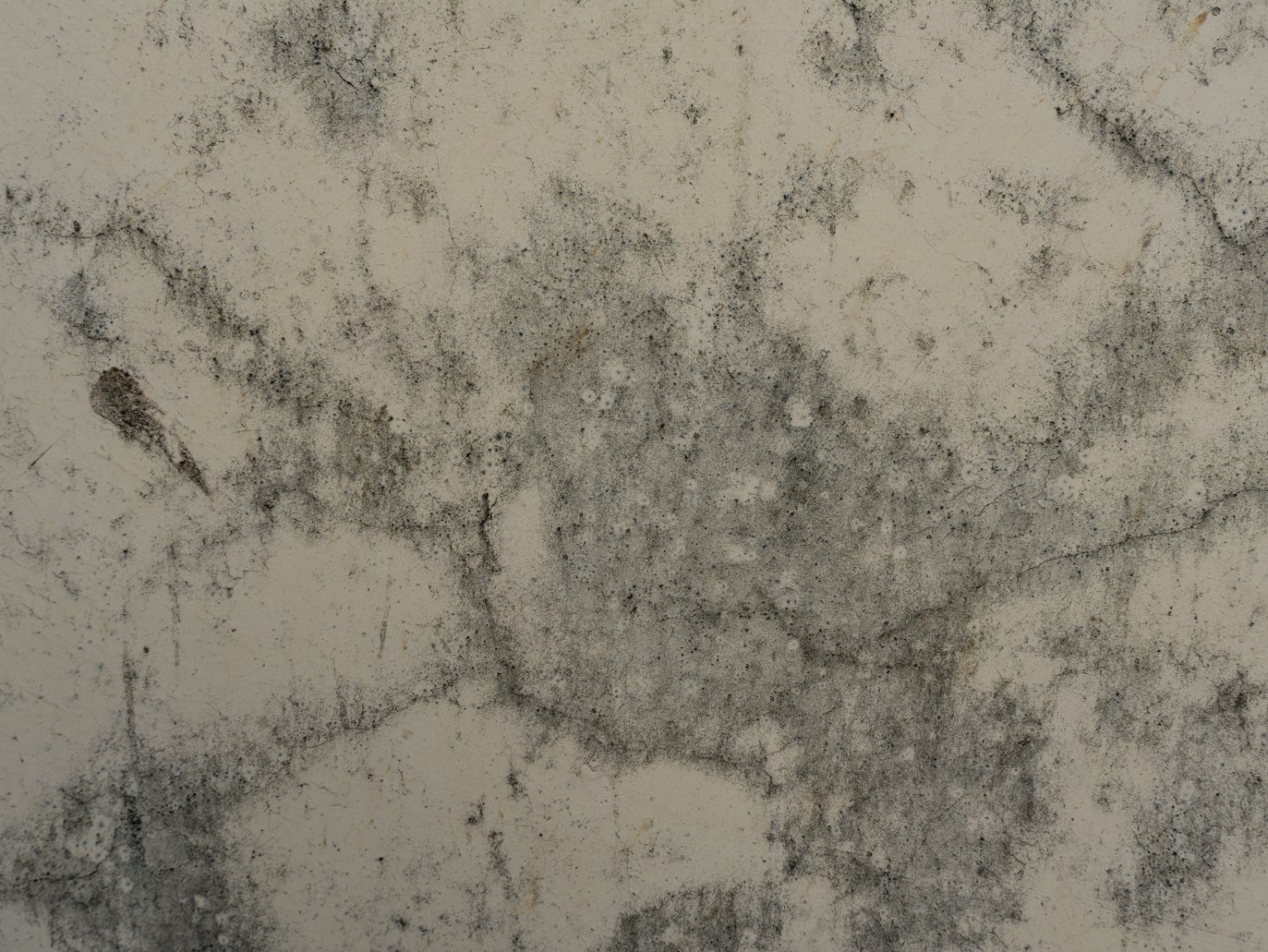
Mold growth on a wall surface. Finding and correcting the moisture source is part of addressing the problem.
remapstudio · Unsplash License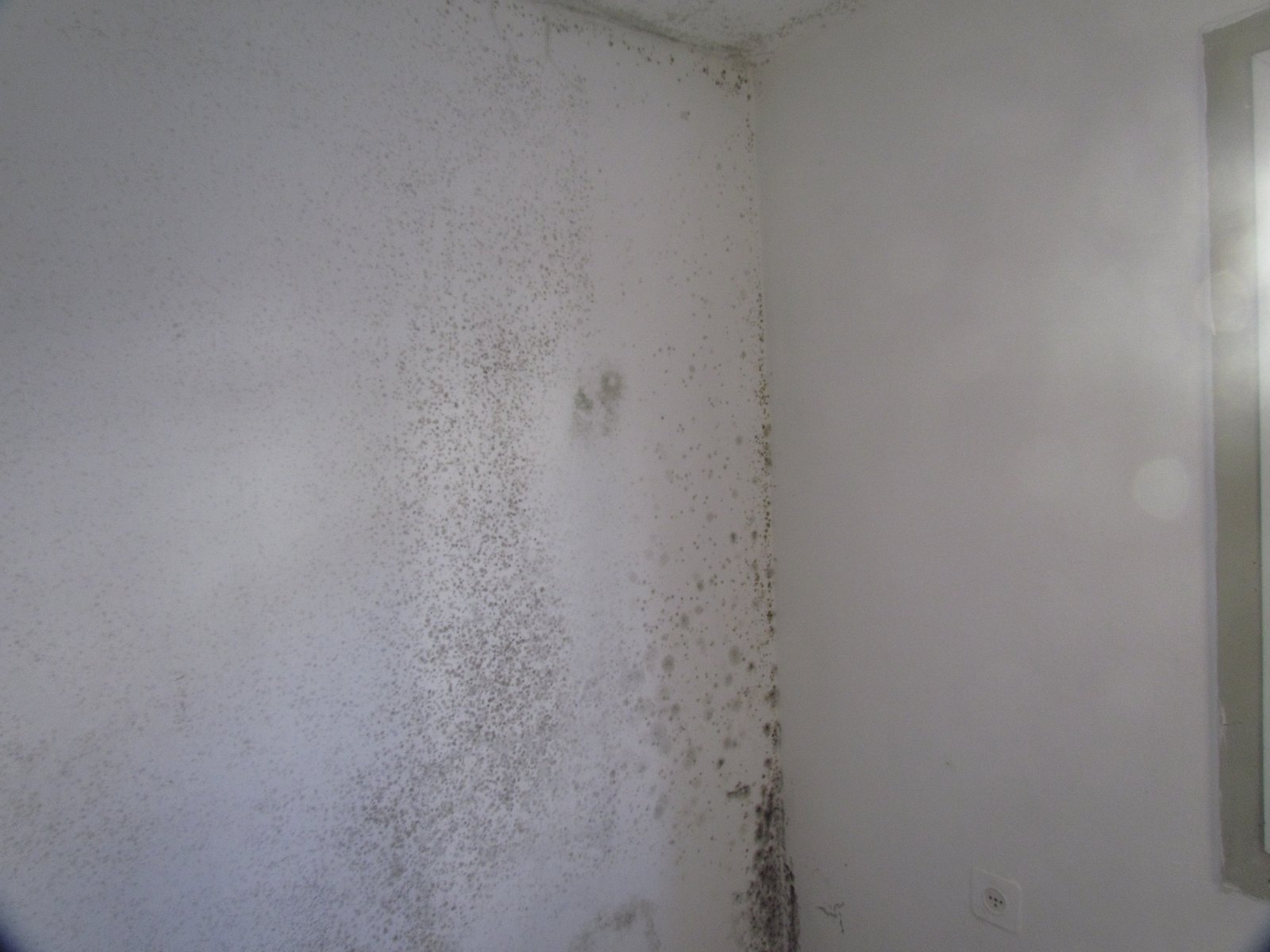
Mold on an interior wall. An assessment considers the affected materials and the moisture conditions contributing to growth.
שי אבידן · CC BY-SA 4.0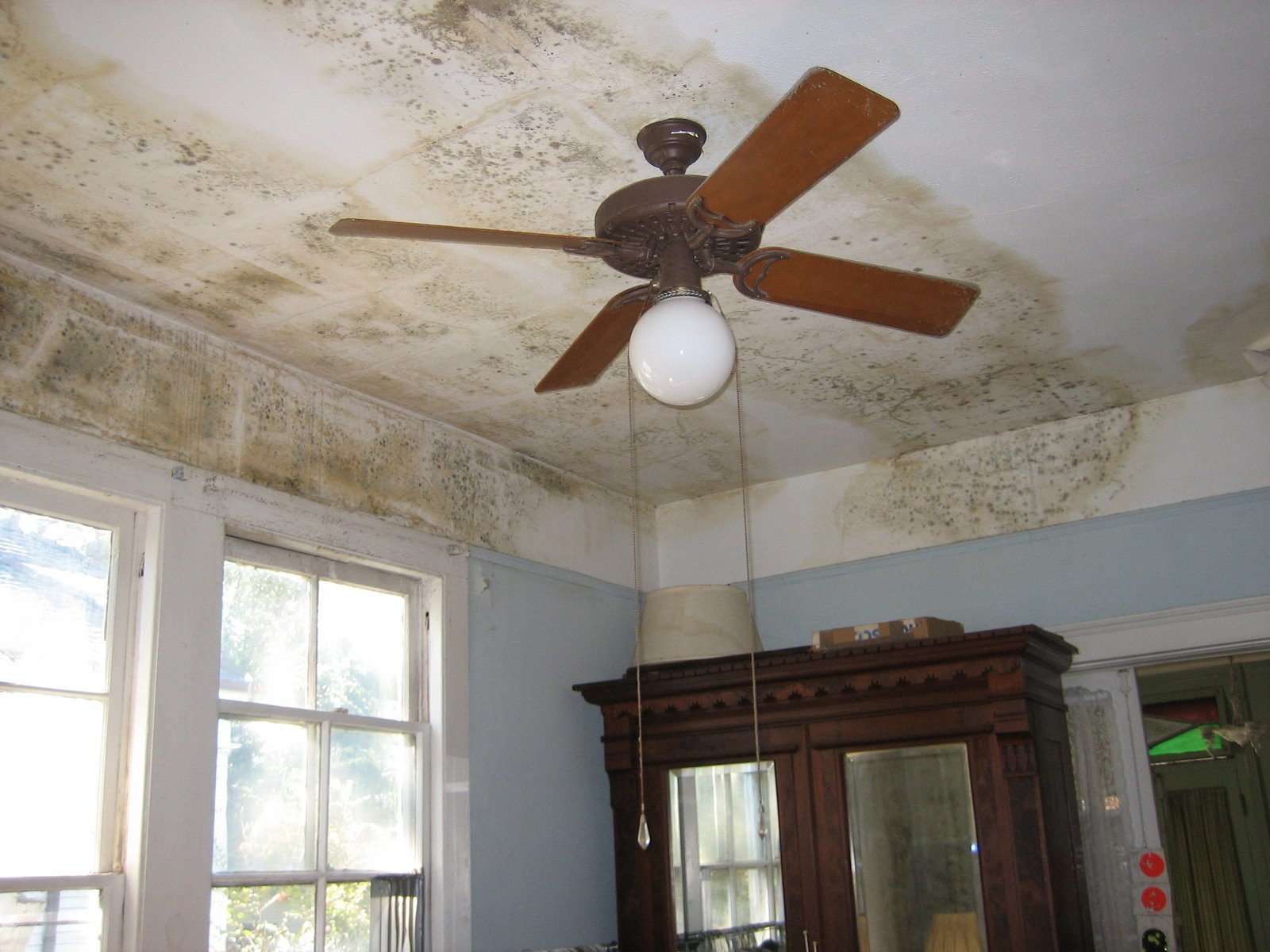
Ceiling mold following storm-related leaks in a New Orleans home. The source identifies this as an unflooded home after Hurricane Katrina.
Infrogmation · CC BY 3.0Three things to know
- Start with moisture: correcting the water problem is part of addressing mold.
- Visible mold does not always need sampling before action.
- A mold’s color cannot establish the health risk to an occupant.
A musty smell, a recurring ceiling stain, or growth behind a sink can leave you wondering what to do next. Start with the building's moisture problem. Understanding where water is coming from helps you decide what needs inspection, repair, and cleanup.
What is mold?
Molds are fungi that occur naturally indoors and outdoors. Outdoors, they help break down organic material. Their tiny spores travel through the air and can grow when they land on damp surfaces. Removing every spore from a building is not a realistic goal; preventing unwanted growth depends on controlling moisture. EPA: Mold and moisture guide ↗
Where does it grow?
Mold can develop on drywall, wood, ceiling tiles, carpet, fabric, and other materials after they become damp. Common starting points include roof or plumbing leaks, water intrusion around windows, and flood damage. A problem can affect a concealed area as well as an exposed surface. CDC: Mold ↗
Look for water stains, discoloration, persistent dampness, or a musty odor. Bathrooms, sink cabinets, and places where condensation collects deserve attention. These observations are clues to investigate; a stain alone does not tell you whether mold is currently growing. HUD: Mold fact sheet ↗
Can mold affect health?
People respond differently to damp and moldy environments. Some experience nasal irritation, coughing, wheezing, eye irritation, or a rash; others notice no symptoms. Mold can worsen symptoms in people with asthma or mold allergies. People with weakened immune systems or certain lung conditions can face additional risks. Discuss symptoms and exposure concerns with a healthcare professional. A building assessment cannot diagnose illness. CDC: Mold and health ↗
Mold's color does not reliably tell you how dangerous it is. Dark growth does not, by itself, establish a particular species or a person's health risk. Any indoor mold growth warrants attention to the underlying water problem. CDC/NIOSH: Mold, testing, and remediation ↗
Mold in workplaces and public buildings
Moisture concerns also affect offices, public facilities, retail spaces, and other occupied buildings. NIOSH links damp indoor environments with respiratory symptoms and developing or worsening asthma. Staff reports, leak history, and recurring damage should be considered together; personal symptoms need medical evaluation. CDC/NIOSH: Workplace mold and health ↗
For a larger property, discuss access, occupancy, affected areas, and how findings will be shared with the owner, facilities team, or project manager. That context helps define a useful assessment and plan any necessary follow-up.
Do you need mold testing?
Not every situation needs sampling. EPA says sampling is usually unnecessary when mold growth is already visible. There is no EPA or other federal numerical limit for mold or mold spores, so a test cannot certify compliance with a federal “safe mold level.” When sampling serves a specific purpose, an experienced professional should design the approach and explain its limitations. EPA: Is sampling necessary? ↗
An air sample captures conditions during a limited period. A low or negative result cannot rule out a concealed problem, and a spore count alone cannot establish health risk. Inspection findings, moisture conditions, and the building's history provide essential context. CDC/NIOSH: Testing limitations ↗
How can a consultant help?
A mold and moisture assessment can help define the affected area, investigate possible water sources, and identify materials requiring further evaluation. Depending on the assignment, a consultant may document observations, recommend an appropriate cleanup ScopeThe work included in the assignment: areas, materials, methods, reporting, and any exclusions., or evaluate conditions after remediation. The agreed scope should explain what will be inspected, whether sampling has a useful purpose, and any access limitations. EPA: Investigating and evaluating mold problems ↗
If a persistent odor suggests hidden growth, avoid pulling off wallpaper or opening suspect materials yourself. Disturbing a concealed area can release spores. An experienced professional can plan the investigation with appropriate precautions. EPA: Hidden mold ↗
What should you do first?
Address leaks promptly. EPA recommends drying water-damaged materials within 24–48 hours when possible to help prevent mold growth. Cleaning without resolving the water source can allow the problem to return. EPA: Moisture control ↗
Cleanup depends on more than patch size. EPA's guidance discusses small areas under about 10 square feet, but extensive damage, contaminated water, suspected HVAC involvement, or health concerns need additional care. Seek experienced help for complex situations. Do not simply paint over mold or damp materials. EPA: Home cleanup guidance ↗
What should California renters know?
Dampness and qualifying visible mold can make California housing substandard. The law includes an exception for minor mold on surfaces that normally accumulate moisture during their intended use. Report problems to the property owner or manager; unresolved concerns may warrant contacting local code enforcement. Residential landlords must provide California's mold information booklet to prospective tenants. CDPH: California mold and dampness information ↗
Common questions
Is black mold always more dangerous?
No. Color alone does not establish danger, identify the species, or predict an individual's response. Address indoor growth and its moisture source regardless of color. CDC/NIOSH ↗
Do I need an air test before fixing visible mold?
Usually not. EPA says visible growth generally does not require sampling. A professional should explain what question a proposed test would answer before recommending it. EPA ↗
What is a safe indoor mold spore count?
There is no federal numerical mold limit that establishes a universally safe indoor count. Results need context and cannot function as a standalone health certificate. EPA ↗
Can I clean a small spot myself?
EPA says many areas smaller than about 10 square feet can be handled using its guidance. Water contamination, building damage, HVAC concerns, and personal health conditions can change that decision. EPA ↗
What if my landlord does not address dampness or mold?
Contact the local agency responsible for housing code enforcement and request guidance. A code officer determines whether conditions violate housing requirements and can require correction. CDPH ↗
Does California require a state mold consultant certification?
CDPH states that California does not require mold-specific training, licensing, or certification for assessors or remediators. Other business or contractor requirements can still apply. Ask about relevant experience, training, and references. CDPH ↗