
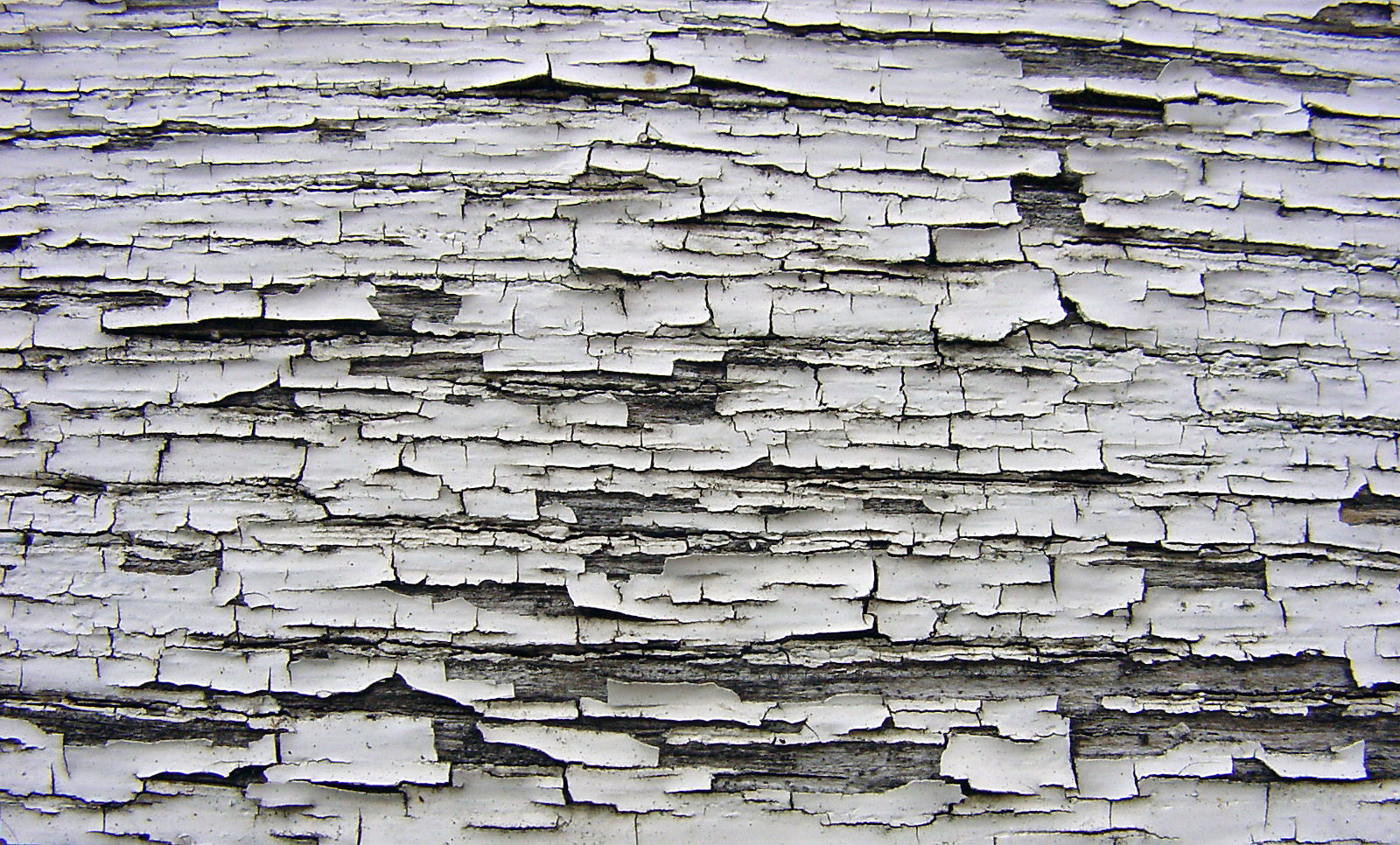
Deteriorated paint on wood. Appearance alone does not establish whether lead is present; appropriate testing can answer that question.
Lamiot · CC BY-SA 3.0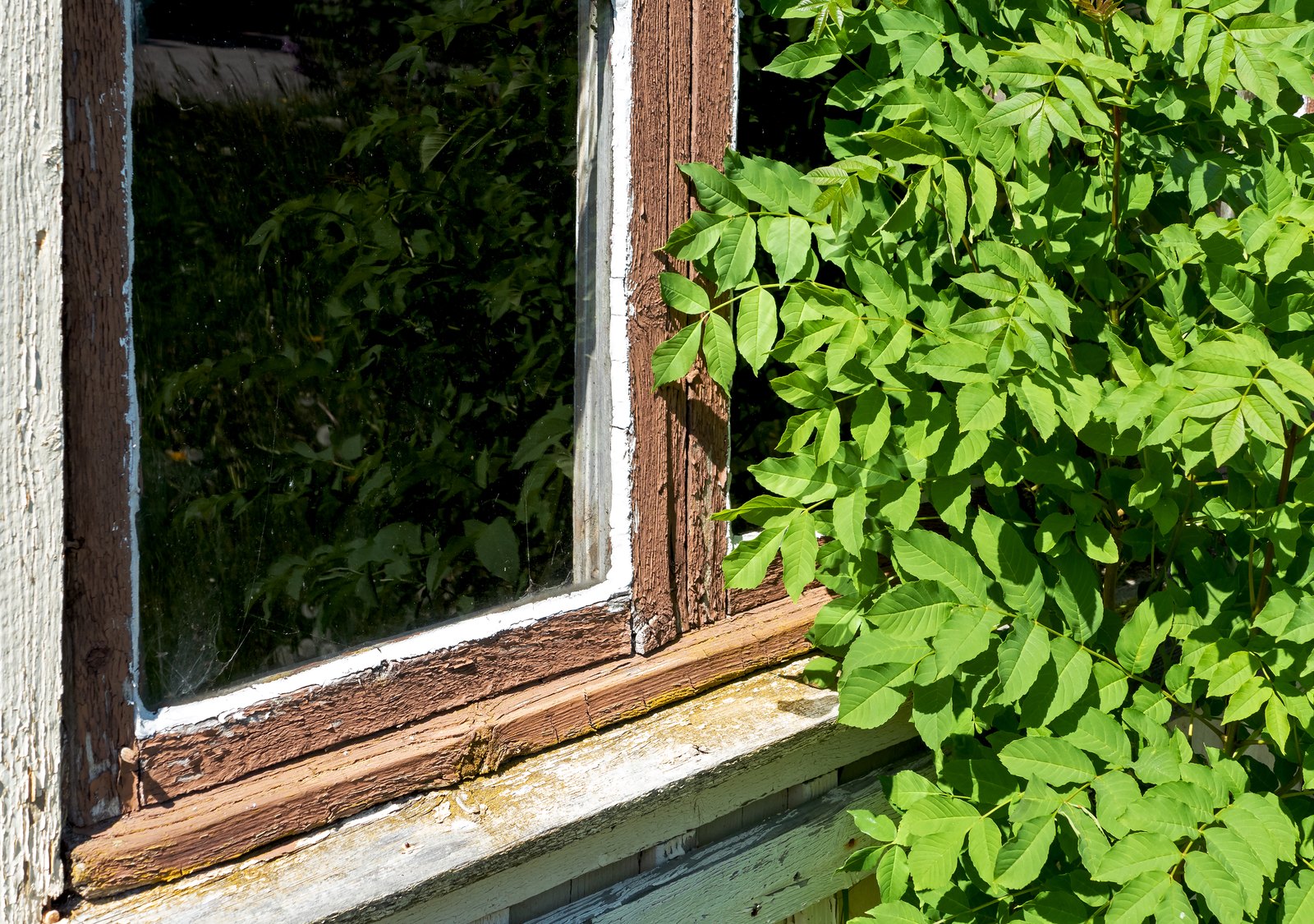
Deteriorated paint on a wooden window and sill. This photograph illustrates paint condition; it does not establish that lead is present.
W.carter · CC0 1.0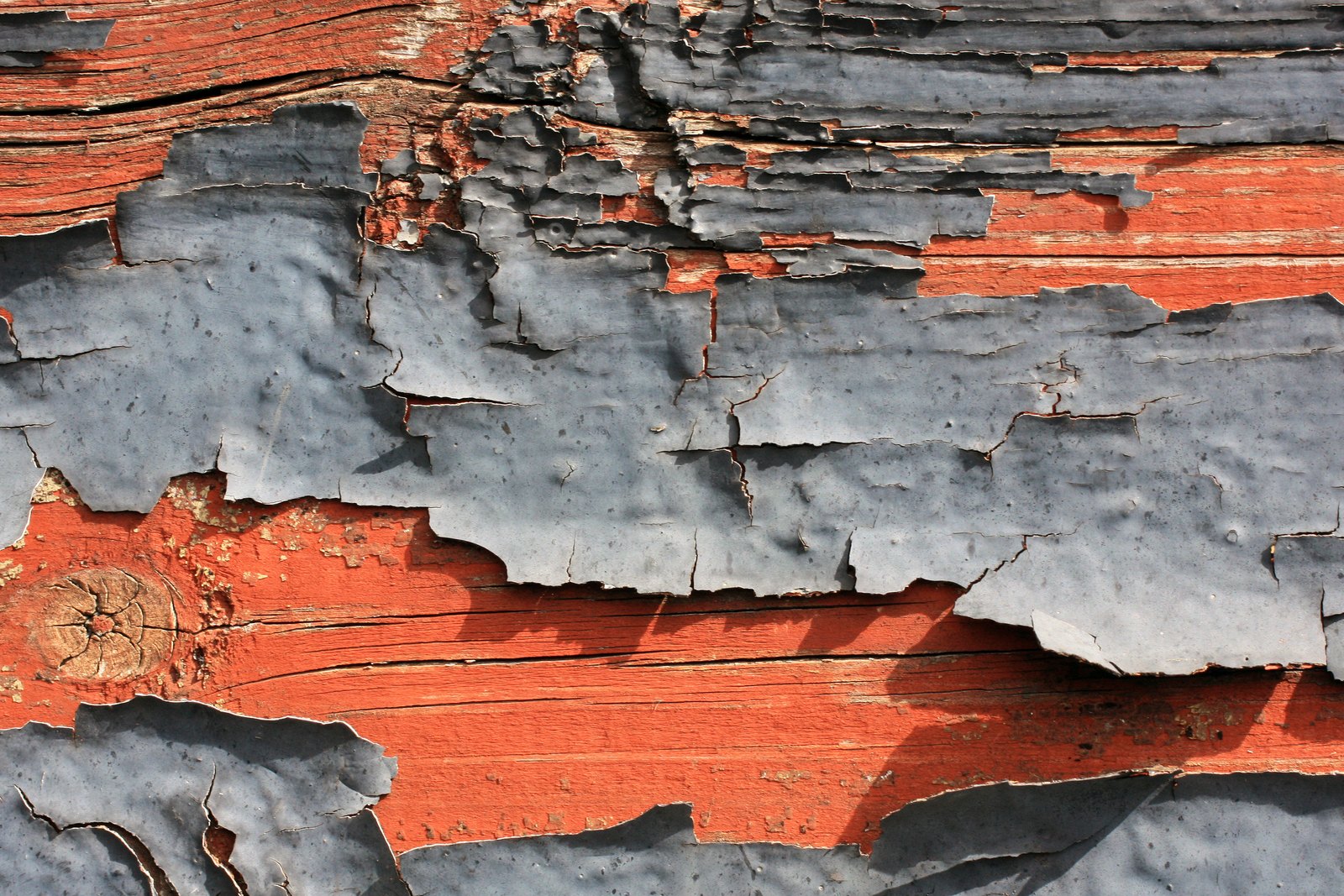
Multiple deteriorated paint layers on wood. Testing is needed to determine whether a painted surface contains lead; color and appearance cannot answer that question.
Si Griffiths · CC BY-SA 3.0Three things to know
- Older paint, dust, soil, and drinking water raise different testing questions.
- Renovation can spread lead-contaminated dust when lead paint is disturbed.
- An inspection locates lead paint; a risk assessment evaluates lead hazards.
Lead is a naturally occurring metal that can harm health when it enters the body. In homes and workplaces, exposure can come from contaminated paint dust, soil, water, or other products. Understanding the source helps you choose useful testing and take practical steps to reduce exposure. CDC: lead basics ↗
Where lead may be found
Homes built before 1978 are more likely to contain lead-based paint. Look beyond walls: painted windows, doors, trim, and other worn surfaces can produce dust as they rub together or deteriorate. Sanding, cutting, and demolition can release more dust. Paint in good condition is usually less concerning, but disturbing it can change that. A building’s age alone cannot confirm whether lead is present. EPA: household lead sources ↗
Outside, soil may contain lead from old exterior paint, past vehicle emissions, or industrial activity. Soil can be swallowed accidentally during play or gardening and carried indoors on shoes or pets. Testing can help identify concerns before planning a garden or addressing bare soil near an older building. EPA: lead in soil ↗
Why exposure matters
Children younger than six are especially vulnerable. Their hand-to-mouth behavior makes it easier to swallow contaminated dust. No safe blood lead level in children has been identified. Lead can affect learning and behavior even at low levels. CDC: lead basics ↗
Potential effects include damage to the brain and nervous system, slowed development, and hearing or speech problems. Many exposed children show no obvious symptoms. CDC: symptoms and complications ↗
Lead can also pass to a developing baby during pregnancy. Adults with high exposure can experience kidney or nervous-system damage and reproductive problems. CDC: pregnancy ↗, CDC/NIOSH: adult health effects ↗
Choose testing that answers your question
A lead-based paint inspection identifies which painted surfaces contain lead-based paint. It does not, by itself, determine whether current lead hazards exist.
A Lead risk assessmentAn evaluation of lead hazards involving paint, dust, and soil, with recommendations. A paint inspection identifies where lead-based paint is located. evaluates hazards involving paint, dust, and soil and recommends ways to address them. A combined inspection and risk assessment can answer both questions. Ask for a written report that explains the findings and recommended next steps. EPA: inspections and risk assessments ↗
A ClearanceA post-work evaluation against the criteria that apply to the project. It may include visual examination and sampling; it is different from the original material inspection. examination evaluates conditions after certain lead-related work. For interior work, it generally includes a visual check and laboratory analysis of dust-wipe samples. The required ScopeThe work included in the assignment: areas, materials, methods, reporting, and any exclusions. and acceptance criteria depend on the project and applicable rules. HUD: clearance guidance ↗
Commercial properties and workplace lead
Lead-containing paint and coatings can be a concern in commercial buildings, public facilities, industrial structures, and homes. Scraping, sanding, demolition, welding, and torch cutting can create exposure when lead is present. Evaluate affected materials and planned tasks before work begins. Cal/OSHA: Lead exposure prevention in construction ↗
California’s construction lead standard, Section 1532.1, covers construction work where employees may encounter lead, including alteration, repair, and painting. Section 5198 addresses covered general-industry operations. Requirements depend on the work and potential exposure. A building constructed after 1978 is not automatically exempt from workplace lead requirements. Testing a material and assessing employee exposure answer different questions; consider both as applicable. Cal/OSHA: Construction lead standard ↗, Cal/OSHA: General-industry lead standard ↗
Plan work with the right qualifications
In California, paid lead-paint inspections and risk assessments in residential or public buildings require a CDPH-certified Inspector/Assessor. A CDPH-certified Lead Project Monitor may also perform clearance inspections. Verify that the person’s current certification covers the work you need. CDPH: certification requirements ↗
EPA’s Renovation, Repair and Painting rule generally covers paid work that disturbs paint in pre-1978 housing and child-occupied facilities, subject to specific exceptions. Covered work requires certified firms, appropriately trained personnel, and lead-safe practices. EPA: RRP requirements ↗
Renovation and AbatementWork to address a regulated hazard. Lead abatement is designed to permanently address lead-based paint hazards; asbestos work may involve removal or other controlled measures. The specific meaning and requirements depend on the program. have different purposes. Abatement is designed to permanently address lead-based paint hazards; ordinary repair or remodeling may disturb lead paint without being abatement. The programs have different certification requirements. EPA: abatement versus RRP ↗
Remember drinking water
Lead can enter water as lead-containing pipes, solder, faucets, or fixtures corrode. You cannot identify it by taste, smell, or appearance. Ask your water supplier about your service line and testing through a certified laboratory. Use cold water for drinking and cooking; boiling does not remove lead. If using a filter, choose one certified to reduce lead and maintain it as directed. EPA: lead in drinking water ↗
California’s AB 2370 establishes a separate drinking-water lead-testing program for covered licensed child care centers in buildings constructed before January 1, 2010. Required outlet testing repeats at least every five years. Family child care homes are outside this center-testing mandate. CDSS: AB 2370 information ↗
Practical steps while you arrange testing
Keep children away from peeling paint, renovation areas, and bare soil that may be contaminated. Wet-clean floors and windowsills, wash hands and toys regularly, and leave shoes near the door. These habits reduce contact with dust and soil while the source is evaluated. If someone works with lead, change into clean clothing before coming home and keep work shoes and tools outside. CDC: reducing exposure ↗, CDC: household prevention ↗
If you suspect exposure, talk with a healthcare provider about blood lead testing. Testing a building helps find environmental sources; a blood test evaluates a person’s exposure. CDC: lead basics ↗
Common questions
Does a pre-1978 home automatically have a lead hazard?
No. Age raises the likelihood of lead paint, but testing is needed to identify it. The condition of painted surfaces and the presence of contaminated dust or soil help determine whether hazards exist. EPA: household lead sources ↗, EPA: inspection and risk assessment ↗
Can I rely on a hardware-store lead swab?
EPA recommends a certified inspector or risk assessor for home paint testing. EPA recognition of paint test kits for RRP compliance applies to their use by Lead-Safe Certified renovators. A swab is not a whole-home hazard assessment. EPA: homeowner test kits ↗
Should I request an inspection or a risk assessment?
Choose an inspection to learn where lead-based paint is located. Choose a risk assessment to investigate current paint, dust, and soil hazards and ways to control them. Both can be performed together. EPA: testing options ↗
Does a clean-looking room mean it passed clearance?
No. Fine lead dust may not be visible. Interior clearance typically combines a visual examination with dust sampling. RRP cleaning verification is a different procedure; confirm which requirements apply to the project. HUD: clearance guidance ↗, EPA/HUD: cleaning verification ↗
Is EPA renovation certification the same as California lead inspection certification?
No. RRP certification concerns covered renovation work. California uses CDPH Inspector/Assessor certification for lead inspections, risk assessments, and clearance inspections. A CDPH-certified Lead Project Monitor may also perform clearance-only inspections. A Sampling Technician works under an Inspector/Assessor and cannot independently perform a complete hazard evaluation. EPA: RRP requirements ↗, CDPH: certification types ↗
Will boiling water remove lead?
No. Use cold water for drinking, cooking, and preparing formula. Ask your water supplier about testing and flushing recommendations, and use a properly maintained filter certified to reduce lead when appropriate. EPA: drinking-water actions ↗